
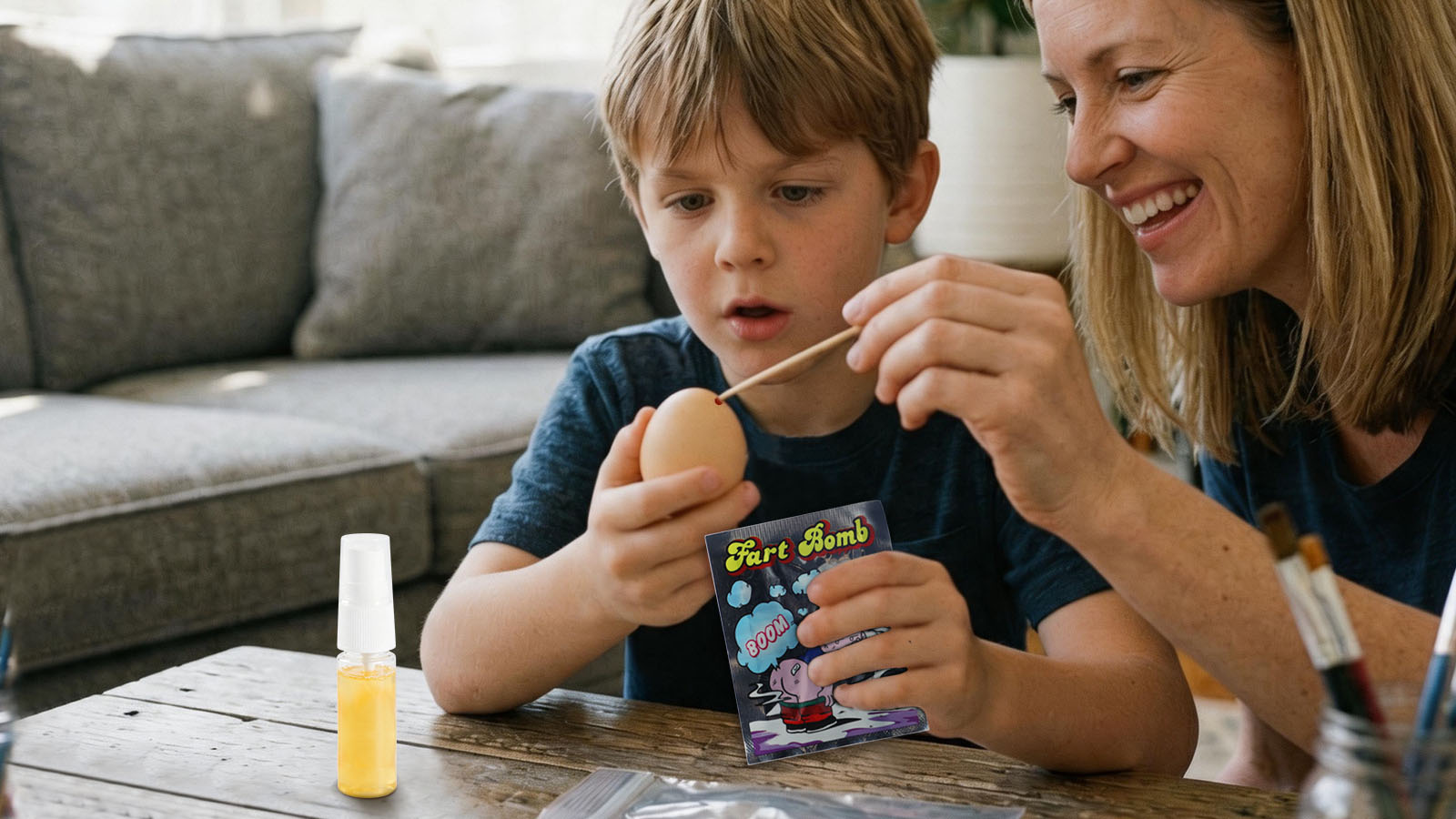
Educational toys are toys that help children practice useful skills while they play. They can support language, movement, problem-solving, creativity, social skills, early math, scientific thinking, and emotional development.
A useful educational toy gives the child something to think about, control, test, build, change, explain, or imagine. Blocks, puzzles, books, dolls, art materials, balls, toy animals, measuring cups, and even cardboard boxes can all support learning. Families and educators can also compare different educational toy categories, including science, nature, sensory, craft, group-play, and exploration activities, to understand how different materials support different forms of play.
The toy does not teach by itself. Learning happens when the child actively uses the toy, notices a result, changes an action, talks about an idea, or repeats a skill. The same toy may have high learning value for one child and little value for another because age, ability, interest, play style, and adult support all affect the experience.
This article mainly focuses on babies, toddlers, preschoolers, and children in the early primary-school years. Older children can also learn through toys, but their choices are more likely to include detailed projects, strategy games, models, science tools, crafts, sports equipment, coding activities, and hobby materials.
What Counts?
A toy has strong learning value when it allows a child to:
- make meaningful choices;
- solve a problem;
- use the hands or whole body;
- move or combine objects in different ways;
- create something that was not already planned by the toy;
- explain an idea or tell a story;
- play with another person;
- make mistakes and try again;
- increase the difficulty over time;
- use the toy in more than one way.
For example, a battery-powered dog that walks and barks when a button is pressed may hold a child’s attention for a few minutes. A set of toy animals can be sorted, counted, named, hidden, placed in habitats, used in stories, included in a pretend veterinary clinic, or arranged by size and type.
The second toy gives the child more control. It supports more decisions, more language, and more possible levels of difficulty. It is also more likely to remain useful as the child grows.
This does not mean that every good educational toy must be completely open-ended. Some toys have a clear answer or goal and can still be useful.
Open-Ended Toys
Open-ended toys do not have one correct result. Examples include blocks, clay, dolls, figures, fabric, cardboard, loose parts, toy vehicles, and basic art materials.
These toys are especially useful for creativity, planning, storytelling, cooperation, and flexible thinking. A child can return to the same materials many times and create something different.
Goal-Based Toys
Goal-based toys have rules, instructions, a fixed answer, or a clear final task. Examples include puzzles, shape sorters, matching games, construction models, memory games, science kits, and board games.
These toys can help children practice visual matching, following steps, remembering rules, checking errors, completing tasks, and developing specific knowledge.
A balanced toy collection can include both types. Open-ended toys give children freedom to create, while goal-based toys give them structured practice.
How Learning Happens
Children learn through repeated action. A baby drops a block and watches it fall. A toddler tries to place a square shape into a round opening. A preschooler builds a bridge and notices that it collapses when the base is too narrow. An older child changes a model after finding that one part cannot move.
Each activity follows a basic learning process:
- The child notices something.
- The child tries an action.
- The toy gives a result.
- The child compares the result with what was expected.
- The child changes the action.
- The child remembers what worked.
This process builds more than knowledge about one toy. It teaches children how to approach unfamiliar problems.
Active Effort
The child needs to do more than watch the toy perform. Pressing a button to hear the alphabet may introduce sounds, but choosing letters to build a name requires the child to remember, compare, and decide.
Active effort may involve moving pieces, choosing a strategy, recalling a rule, describing an idea, testing an object, or coordinating with another person.
A toy with lights and sounds is not automatically poor. The important question is whether those features support the child’s thinking or replace it.
Clear Feedback
Children learn more easily when they can see the connection between an action and a result.
A puzzle piece that does not fit gives clear physical feedback. A block tower that falls shows that the structure was unstable. A car rolling farther from a higher ramp shows that changing the ramp changed the result.
Feedback is less useful when a toy only says “wrong” or plays an error sound. The child knows the answer was rejected but may not understand why.
Better feedback helps the child notice the problem. For example, a shape sorter lets the child compare the shape with the opening. A useful learning app may explain that a triangle has three sides and invite the child to try again.
Skill Transfer
A child may learn how to complete one toy without fully understanding the skill behind it. Real learning becomes clearer when the child uses the same idea in a different activity.
For example, a child who can count objects in several settings understands more than a child who has memorized one counting song. A child who uses a wide base when building with different materials has learned more than the steps for one model.
Parents can look for transfer by asking whether a skill appears during another activity. Can the child use the same pattern with beads and blocks? Can the child use new position words while playing with cars? Can the child apply a game strategy to a new game?
Thinking Skills
Puzzles, blocks, matching games, mazes, construction sets, and simple board games can build thinking skills. These toys may require children to notice patterns, remember information, plan steps, control impulses, and change strategies.
These abilities are often grouped under executive function, but they are not all the same. Understanding the differences helps adults choose a toy for a specific need.
Working Memory
Working memory helps a child hold information in mind for a short time while using it.
A child uses working memory when remembering where a picture appeared in a matching game, following two game rules, or keeping the planned shape of a building in mind while searching for the next block.
The task should not require so much information that the child cannot begin. Young children may need one rule at a time. Older children can gradually manage longer instructions and more steps.
Flexible Thinking
Flexible thinking means changing approach when the first idea does not work.
A child uses flexible thinking when turning a puzzle piece, changing the base of a tower, trying a different route through a maze, or adjusting a game strategy.
A toy supports flexible thinking when it allows more than one possible approach. If the toy immediately gives the answer or allows only one action, there is less need to adapt.
Self-Control
Self-control helps a child pause, wait, follow a rule, and avoid acting too quickly.
Turn-taking games, movement games, card games, and activities with simple rules can provide practice. The child may need to wait before moving, stop when a signal changes, or resist choosing a card before another player finishes.
For young children, turns should be short. Long waiting periods can make the task harder than necessary.
Planning
Planning means choosing a goal and deciding what needs to happen first, next, and last.
A child plans when building a bridge, preparing a pretend meal, creating a home for toy animals, assembling a model, or organizing materials for an art project.
Adults can support planning by asking one clear question, such as “What do you need first?” or “Which part will hold the roof?”
The learning comes from the child’s decisions, not only from the finished product.
Language
Children build language when they have a reason to communicate. Books are important, but language learning also happens during pretend play, building, drawing, cooking, sorting, outdoor play, and games.
A child playing with toy food may learn words such as “slice,” “empty,” “full,” “bowl,” “spoon,” “sweet,” and “hot.” A child building a road may use “under,” “beside,” “through,” “longer,” and “corner.”
Adults can add language by describing what is happening:
“You put the small car behind the truck.”
“The tower is taller than the chair.”
“The bear looks worried because it cannot find its home.”
These comments connect words to visible actions.
Babies
With babies, language support is mainly about responding. Adults can copy the baby’s sounds, name the object the baby is looking at, and use short phrases such as “shake the rattle,” “soft ball,” or “book open.”
The baby does not need to answer a question. Hearing the same useful words during real actions helps connect sounds with meaning.
Toddlers
Toddlers often use one or two words. Adults can expand the message without correcting it.
If the child says, “Red car,” the adult can reply, “Yes, the red car is going fast.” If the child says, “Baby sleep,” the adult can say, “The baby is sleeping in the small bed.”
This adds grammar and detail while keeping the conversation natural.
Preschoolers
Preschoolers can use toys to practice longer stories, reasons, predictions, and event order.
Useful questions include:
- “Where is the bus going?”
- “What happened before this?”
- “Why does the character need that?”
- “What do you think will happen next?”
- “How will the story end?”
Older Children
Older children can explain game rules, compare strategies, record observations, describe how a model works, or present the steps used to complete a project.
Asking a child to explain a decision often reveals more understanding than asking for a short correct answer.
Avoid Constant Testing
Questions are useful, but too many questions can make play feel like an examination.
Repeatedly asking “What color is this?”, “How many are there?”, and “What is that?” may cause a child to give short answers or stop talking.
A more natural comment would be, “You chose all the blue pieces for the roof. What made you choose them?”
The goal is communication, not testing the child during every play session.
Motor Skills
Educational toys can strengthen fine and gross motor skills.
Fine Motor Skills
Fine motor skills use the hands and fingers. Children need these skills for dressing, eating, drawing, cutting, opening containers, using tools, and writing.
Useful fine motor activities include:
- stacking blocks;
- turning puzzle pieces;
- squeezing play dough;
- threading large beads;
- using child-safe tongs;
- placing pegs into holes;
- opening toy doors;
- drawing with crayons;
- attaching construction pieces.
The size and resistance of the toy matter. Pieces that are too small may be unsafe or difficult to control. Pieces that require too much pressure may frustrate a child with limited hand strength.
Excavation activities can also involve careful hammering, scraping, brushing, and object handling. A product such as the Jumbo Gems Gem Dig Kit shows how digging tools, hidden specimens, identification materials, and display activities can be combined in one hands-on project. The child’s age, tool control, required force, dust, fragments, and adult supervision still need to be checked before use.
Gross Motor Skills
Gross motor skills use the arms, legs, and whole body. Balls, hoops, push toys, ride-on toys, stepping stones, tunnels, balance equipment, and outdoor play materials can develop:
- balance;
- coordination;
- strength;
- body awareness;
- reaction speed;
- control of movement.
A ball can be rolled, kicked, thrown, caught, bounced, aimed at a target, or used in a group game. One simple object can support many levels of physical skill.
Is the Difficulty Right?
A toy may be too difficult when the child cannot begin without an adult holding the child’s hands, cannot control the pieces, repeatedly fails without understanding why, or becomes upset within a few minutes every time.
The difficulty is more suitable when the child can start independently, sometimes fails, changes the action, needs only an occasional clue, and gradually becomes more accurate.
A toy may be too easy when the child completes it without looking, never needs to make a decision, repeats exactly the same action, and quickly loses interest.
Age labels provide useful guidance, but hand strength, vision, posture, coordination, experience, and attention also affect whether the toy is suitable.
Early Math
Children begin learning math through real objects before they understand written numbers.
They learn by:
- counting pieces;
- matching shapes;
- sorting objects;
- comparing lengths;
- making patterns;
- sharing items;
- measuring containers;
- moving spaces in a game;
- building symmetrical structures;
- estimating what will fit.
A set of blocks can teach more than shape names. Children can compare which tower is taller, work out how many blocks fit across a table, build repeating patterns, divide blocks between two people, or find different ways to cover the same space.
Counting Words
A child may be able to say “one, two, three, four, five” without understanding the amount represented by each word. This is an important early step, but it is not complete number understanding.
Counting Objects
The child also needs to match one number word to one object. Moving each object into a separate group while counting can help prevent missed or repeated objects.
Understanding Quantity
The final number said represents the total number of objects in the group. A child who counts five blocks should gradually understand that there are five blocks altogether.
A child who can recite numbers to ten but counts the same object twice has learned the number sequence but is still developing one-to-one counting.
Sorting and Patterns
Sorting is an early math skill because the child must notice which features are the same and which are different. Objects can be sorted by color, shape, size, use, texture, or another rule chosen by the child.
Patterns help children predict what comes next. A simple red-blue-red-blue pattern can later become red-red-blue or circle-square-triangle.
Space and Measurement
Words such as “above,” “below,” “inside,” “behind,” “longer,” “shorter,” “heavier,” and “lighter” help children describe position and measurement.
Measuring cups, blocks, string, containers, and balance scales allow children to compare real objects before using formal units.
Adults can use simple math words during play without turning the activity into a lesson:
- more;
- fewer;
- equal;
- heavier;
- lighter;
- longer;
- shorter;
- half;
- full;
- empty;
- first;
- last.
Science Play
Science toys work best when they allow children to observe a real result.
Useful materials include:
- ramps;
- age-appropriate magnets;
- magnifying glasses;
- water containers;
- measuring cups;
- balance scales;
- gears;
- pulleys;
- gardening tools;
- weather tools;
- safe experiment kits;
- rock, mineral, or excavation kits.
A child rolling cars down ramps can compare speed, height, distance, weight, and surface texture.
The adult does not need to give a long explanation. Useful questions include:
- “Which car went farther?”
- “What changed when the ramp was higher?”
- “What do you think will happen on the carpet?”
- “How can we make the car slow down?”
- “How could we test that?”
Change One Thing
A simple experiment is easier to understand when only one condition changes at a time.
For example, when testing ramp height:
- use the same car;
- use the same floor;
- release the car from the same point;
- change only the height of the ramp;
- repeat the test several times.
If the child changes the car, floor, starting point, and ramp height at the same time, it becomes difficult to know what caused the result.
Repeat the Test
One result may happen by accident. Repeating the test helps children see whether the result is consistent.
The child does not need formal scientific terms. The important ideas are observing carefully, changing one thing, checking again, and comparing results.
A well-designed geology activity should do more than provide colorful stones. It should help the child observe, compare, classify, record, or identify something. The K&M guide to rock and mineral learning kits gives practical examples, such as comparing color, luster, transparency, grains, layers, magnetism, and other visible properties instead of relying only on memorized facts.
Excavation kits also need an activity length that matches the child’s age and hand strength. A block that opens almost immediately may provide little challenge, while a block that requires excessive force can cause tired hands, broken tools, damaged objects, and unfinished play. The dig kit activity and design guide explains how age, tool size, digging time, hidden items, user count, and adult support affect the experience.
Avoid experiment kits that mainly ask children to copy steps without noticing what changed. Instructions are necessary for safety, but children should still be encouraged to predict, observe, record, compare, and explain.
Creativity
Open-ended toys support creativity because they do not have one fixed result.
Examples include:
- blocks;
- clay;
- paper;
- crayons;
- paint;
- fabric;
- cardboard boxes;
- dolls;
- figures;
- loose parts;
- musical instruments.
A cardboard box can become a shop, bed, robot, bus, cave, oven, or animal home. The child must decide what it represents and how it should be used.
Creative play develops more than imagination. It also requires planning, decision-making, problem-solving, and communication.
A child making a pretend restaurant may need to:
- create a menu;
- assign roles;
- arrange tables;
- prepare pretend food;
- take an order;
- count payment;
- solve disagreements.
One play activity can combine language, math, memory, social skills, and motor control.
Give Enough Choice
Freedom does not always mean offering every material at once. Too many choices can make it difficult for some children to begin.
An adult might provide two types of paper, three colors, one type of glue, and a simple invitation such as “Can you make a home for this toy animal?”
The child still chooses the design. The smaller number of materials simply reduces the difficulty of getting started.
Look at the Process
Creativity should not be judged only by whether the final product looks attractive.
Look for whether the child:
- made personal choices;
- combined different ideas;
- changed the original plan;
- solved a problem during construction;
- gave the creation a purpose;
- explained how it works.
A craft kit that asks every child to copy the same picture may practice following instructions and hand control. It provides less creative choice than open materials, but it may still be useful for a different goal.
Social Skills
Children do not learn social skills only by being told to share. They need real situations in which another person has a different idea, wants the same object, or follows a different plan.
Group play can teach children to:
- wait;
- take turns;
- ask for an object;
- explain a plan;
- listen;
- change roles;
- follow rules;
- handle losing;
- repair a disagreement.
Playing Side by Side
Young children may play beside one another without sharing a common goal. They may use similar toys, copy each other, or watch what another child is doing.
This is a normal stage of social development. A toddler does not need to manage complex cooperative play to benefit from being near other children.
Playing Together
As children develop, they begin to exchange materials, divide roles, create shared rules, and maintain one story or project together.
Building a town together may require children to decide where roads go, who builds each area, and what to do when two ideas conflict.
Group activity kits can also create clear roles when each child has a tool, object, or part of the task. For example, an educational group excavation activity can involve taking turns, sharing tools, comparing discoveries, describing hidden objects, and cleaning the workspace together. Competition should remain optional because a race to finish may reduce careful observation and safe tool use.
Games and Losing
Board games are useful because the rules and turns are clear. The game should be short enough for the child’s attention span.
Young children may find losing difficult. Adults can name the feeling without changing the result:
“You wanted to win, and you feel disappointed.”
Then help the child continue:
“Let’s finish the game and try again another time.”
Cooperative games can help children who are still learning to manage competition. In these games, players work toward a shared result instead of playing against one another.
Sharing and Waiting
Forcing a child to immediately give up a toy does not always teach cooperation. If the child is actively using it, adults can help another child ask for a turn and wait for a clear stopping point.
The goal is to teach language and negotiation, not only to stop the disagreement quickly.
Challenge and Confidence
Educational play should include manageable difficulty.
A toy that is too easy becomes boring. A toy that is far too difficult makes the child dependent on an adult.
The best level is a task the child cannot complete immediately but can solve with effort, time, a change of strategy, or a small amount of help.
For example:
- A puzzle with four pieces may suit a young toddler.
- A twelve-piece puzzle may suit a child who already understands matching.
- A larger jigsaw may suit a child who can use edge pieces, colors, and picture clues.
Useful Struggle
A useful struggle happens when the child understands the goal, can try different actions, notices some progress, and is willing to continue.
Confusing Failure
Failure becomes confusing when the child does not know why the task failed or what to try next. At this point, a clue may be more helpful than telling the child to keep trying.
Task Overload
A task may be overloaded when it requires too many difficult skills at once. A child may need to read complex instructions, remember several steps, control small pieces, and understand a new idea at the same time.
The adult can reduce the difficulty by completing one setup step, showing a picture, removing extra pieces, or dividing the task into shorter parts.
Give Help in Steps
Adults can offer help from the least direct to the most direct:
- Wait and give the child time.
- Describe the problem.
- Ask the child to look at one detail.
- Give a small clue.
- Demonstrate one step.
- Reduce the difficulty if needed.
Praise should focus on the child’s actions:
“You kept turning the piece until it fit.”
“You tried three ways.”
“You noticed the pattern.”
“You asked for help after trying.”
This gives the child useful information. General praise such as “You are so clever” does not explain which action helped.
By Age
Toy choices should match both safety needs and current skills.
Age labels usually serve two purposes: they indicate safety limits and estimate difficulty. These are not the same thing.
An older child can safely use a simple toy intended for younger children. A younger child should not use a toy with dangerous small parts simply because the child appears advanced.
Babies
Babies learn through sight, sound, touch, movement, and mouthing.
Useful toys include:
- soft books;
- board books;
- rattles;
- textured balls;
- grasping toys;
- unbreakable mirrors;
- soft blocks;
- stacking cups;
- simple push-and-pull toys for older babies.
Choose toys that are easy to hold and too large to swallow.
Look for secure parts, smooth edges, washable surfaces, and quiet sounds. A toy placed close to a baby’s ear should not be painfully loud.
The adult’s face and voice are also important learning tools. Copy the baby’s sounds, name objects, sing, and respond when the baby looks, reaches, or points.
Toddlers
Toddlers learn by carrying, filling, emptying, stacking, pushing, pulling, matching, scribbling, and copying adults.
Useful toys include:
- large blocks;
- nesting cups;
- shape sorters;
- chunky puzzles;
- balls;
- washable crayons;
- play dough;
- toy animals;
- dolls;
- pretend food;
- sturdy vehicles;
- picture books.
Toddlers often repeat the same action many times. Repetition helps them control movement and predict results.
A toddler may fill a container, empty it, and start again for ten minutes. The activity may look simple, but the child is learning about space, size, quantity, hand control, and cause and effect.
Avoid toys with small parts, loose batteries, strong loose magnets, long cords, or parts that can break off.
Preschoolers
Preschool children can follow simple rules, create longer stories, build more complex structures, and cooperate for longer periods.
Useful choices include:
- building sets;
- pretend-play materials;
- dress-up clothes;
- puppets;
- art supplies;
- memory games;
- simple board games;
- pattern blocks;
- larger puzzles;
- child-safe tools;
- magnifiers;
- outdoor play equipment.
Pretend play becomes more detailed at this age. Children may create roles, rules, and a sequence of events.
A toy kitchen is not only for learning food names. It may involve planning a meal, dividing tasks, counting plates, writing a menu, solving a missing-item problem, and serving another person.
Adults can add paper, empty food packages, notepads, safe utensils, or reusable containers to make the play richer.
School-Age Children
Older children can manage longer projects, detailed rules, more difficult construction, and subjects linked to personal interests.
Useful toys and materials include:
- strategy games;
- model kits;
- advanced construction sets;
- science kits;
- coding tools;
- robotics;
- craft tools;
- musical instruments;
- sports equipment;
- gardening materials;
- maps;
- reference books.
Interest is important. A child who loves insects may learn more from a magnifier, notebook, and local insect guide than from a general science toy.
A child interested in vehicles may explore design, measurement, friction, and movement through model building.
Do not choose only school-like materials. Older children still need open-ended play, movement, hobbies, and creative work.
Choosing Well
Before buying a toy, ask the following questions.
Is It Safe?
Check:
- age guidance;
- small parts;
- battery access;
- magnets;
- sharp edges;
- cords;
- sound level;
- material quality;
- required supervision.
Safety warnings are not measures of intelligence. A bright child can still choke on a small part or swallow a battery.
Can the Child Control It?
The child should make most of the important decisions.
A toy with one button and one result gives little control. A toy with pieces that can be arranged, combined, sorted, built, tested, or imagined gives more control.
Can It Grow?
Good toys can be used at several levels.
A young child may stack blocks. Later, the same child may build bridges, patterns, houses, machines, or structures based on a drawing.
A toy that remains useful for several years usually offers better value than a product with one short activity.
Does It Fit the Child?
Choose based on the child’s real interests and skills, not only the age printed on the box.
Consider:
- attention span;
- hand strength;
- reading ability;
- noise sensitivity;
- frustration level;
- preferred topics;
- physical access;
- need for adult help.
A toy can be well designed and still be a poor fit for a particular child.
Will It Be Used?
A toy that looks impressive in a shop may not work well at home.
Consider how much space it needs, whether pieces will be lost, how difficult it is to clean, and whether an adult must assemble it every time.
Also check whether the product requires replacement parts, batteries, refills, subscriptions, app updates, or internet access.
Simple materials that are easy to reach are often used more frequently.
Can You Try It First?
Before buying an expensive toy, observe how the child responds to similar materials at a library, playgroup, preschool, shop display, or another family’s home.
Look beyond the child’s first excitement. Notice whether the child understands the basic use, returns to the toy, creates new actions, asks questions, or needs constant adult operation.
A child may be attracted to lights and sound but lose interest once the novelty is gone.
Marketing Claims
Words such as “brain-building,” “STEM,” “Montessori,” “sensory,” and “educational” are widely used in marketing. They do not have the same meaning on every product.
Ignore the front of the package for a moment and ask:
- What must the child actually do?
- Which specific skill is being used?
- Can the difficulty increase?
- Does the child receive understandable feedback?
- Can the skill be used outside this toy?
A flashing dinosaur may be labeled “STEM,” but if the child only presses one button, the scientific thinking is limited. A simple ramp without a STEM label may allow a child to test speed, height, surface, and distance.
Broad Claims
Claims such as “supports development” are very broad. Almost any safe play activity could support some part of development.
More specific claims should explain what skill is involved. “Encourages matching by color and shape” is clearer than “makes children smarter.”
For a science or geology kit, the printed claims should match the activity the child can actually complete. A kit should not promise mineral identification, hardness testing, or scientific comparison if the included specimens, tools, or instructions cannot produce a clear result. Product developers and buyers can use the practical checks in the geology kit manufacturing guide to see how learning claims, specimen quality, tools, instructions, and observable results should fit together.
Expert Designed
The phrase “expert designed” does not explain who the expert is, what evidence was used, or whether the product was tested with children.
The design should still be judged by the actual activity, safety, difficulty, feedback, and suitability for the child.
Awards
An award may reflect design, popularity, appearance, or a review panel’s opinion. It does not guarantee that the toy is suitable for every child or that every educational claim has been proven.
Signs of Learning
Learning is not always visible as a correct answer. It often appears as a change in how the child approaches the activity.
Signs may include:
- completing the task more accurately;
- using a new strategy;
- needing less adult help;
- explaining a decision;
- using a new word in another situation;
- increasing the difficulty independently;
- staying focused for longer;
- recovering more quickly after failure;
- using the same idea with different materials;
- planning with another child.
For example, a child may first build towers randomly. Later, the child may place wider blocks at the bottom, test the structure, and explain that the base needs to be strong. That change shows more than simply building a taller tower.
A child may first need an adult to explain every board-game turn. Later, the child may remember the rule, wait, and remind another player. That change shows growth in memory, self-control, and social understanding.
Do not expect every play session to produce a clear new skill. Learning often develops through many small repetitions.
Adult Help
Adults improve play by adding just enough support.
Start by watching. Try to understand what the child is doing before giving instructions.
Describe
Say what the child is doing.
“You placed the long block across two towers.”
Add Words
Introduce useful vocabulary.
“That block is horizontal. The towers are vertical.”
Ask
Use one open question.
“What could make the bridge stronger?”
Extend
Add a small challenge.
“Can you build a bridge wide enough for two cars?”
Stop adding questions if the child loses interest or begins following the adult instead of developing a personal idea.
Adult-led teaching has a place, especially when showing how to use a tool safely. However, not every play session needs a lesson plan.
Digital Toys
Some electronic toys and apps can support learning, but they need careful review.
A useful digital product should require the child to think, not only tap quickly.
Look for:
- clear goals;
- age-appropriate language;
- useful feedback;
- limited distractions;
- no manipulative advertising;
- no unnecessary purchases;
- appropriate privacy settings;
- activities that connect with real life.
For example, an app that helps a child identify local birds and then encourages outdoor observation may support real learning.
An app that gives coins, flashing rewards, and constant prompts for random tapping may mainly train the child to chase rewards.
Check the Feedback
Weak feedback may only say:
“Great job!”
Useful feedback explains something:
“The triangle has three sides. Try the shape with four sides.”
The second message helps the child understand what to notice.
Check the Privacy
Before allowing a child to use an app or connected toy, check:
- whether an account is required;
- which permissions are requested;
- whether voice, image, or location data is collected;
- whether advertising appears;
- whether in-app purchases are possible;
- whether a parent can delete stored data;
- whether the toy still works without a subscription.
A children’s toy should not request access to contacts, location, camera, or microphone unless the feature genuinely requires it and the adult understands how the data is used.
Check What It Replaces
Even a well-designed app becomes less useful if it regularly replaces sleep, physical activity, outdoor play, conversation, or hands-on work.
For young children, use digital media together when possible. Talk about what appears on the screen and connect it to real objects and experiences.
Safety Checks
Educational value never makes an unsafe toy acceptable.
Check toys before use and inspect them again over time. For a more detailed look at how toy materials, age grades, warnings, testing, labels, batteries, magnets, sharp parts, and market requirements are reviewed, see K&M’s toy safety compliance guide for U.S. and EU markets.
Small Parts
Children under three often place objects in their mouths. Keep small balls, beads, game pieces, detachable eyes, wheels, broken parts, and other choking hazards away from them.
Older siblings’ toys are a common source of small pieces. Store them separately.
Batteries
Button and coin batteries can cause severe internal injury if swallowed.
Battery compartments should require a tool to open. Stop using the toy if the compartment is damaged or loose.
Seek urgent medical help when battery ingestion is suspected. Do not wait for symptoms to appear.
Magnets
Loose high-powered magnets are dangerous. If more than one is swallowed, they can attract each other through body tissue.
Use only age-appropriate magnetic toys with magnets securely fixed inside large pieces. Stop using damaged magnetic toys.
Water Beads
Water beads can expand after absorbing liquid. Small beads may be difficult to see if they are swallowed or enter the ear or nose.
They should be kept away from young children and from children who may place non-food items in the mouth.
Balloons
Uninflated balloons and broken balloon pieces can block a child’s airway. Adults should supervise balloon use and remove broken pieces immediately.
Cords
Long cords and loops can create strangulation risks. Check pull toys, dress-up items, hanging toys, and homemade play materials.
Noise
Some toys are loud enough to cause discomfort, especially when held close to the ear.
Test the toy before giving it to a child. If it sounds painfully loud to an adult at close range, it should not be used near a child’s ears.
Projectiles
Toys that shoot darts, balls, or other objects can injure the eyes or face. Follow the stated age guidance, use suitable eye protection when recommended, and never aim at people or animals.
Ride-On Toys
Bicycles, scooters, skates, and other ride-on toys should match the child’s size and control. Use suitable protective equipment and choose an area away from traffic, stairs, water, and other hazards.
Science Kits
Science kits may include chemicals, heat, tools, glass, powders, natural specimens, or small components. Follow the age limit and supervision instructions. Use eye or skin protection when stated.
Digging and geology activities may also create dust or sharp fragments. Complete the activity on a tray or washable surface, use only the supplied tools, follow cleanup instructions, and stop if the child must use excessive force.
Do not allow children to mix household chemicals that are not part of an age-appropriate supervised activity.
Damage
Remove toys with:
- cracked plastic;
- sharp edges;
- splintered wood;
- exposed wires;
- leaking batteries;
- loose stuffing;
- missing screws;
- broken fasteners;
- parts that repeatedly come loose.
Secondhand toys need careful inspection because instructions and safety parts may be missing. Older products may also have been recalled or made under different safety requirements.
Urgent Risks
Seek immediate professional help if a child may have swallowed a button battery or multiple magnets, is choking, has difficulty breathing, or has a serious eye injury.
Do not rely on an educational article to manage an emergency. Contact the appropriate local emergency or poison-control service.
Common Mistakes
Buying Too Much
A large number of toys can make it harder for a child to choose, focus, and use materials deeply.
Keep a smaller group available and rotate items when interest clearly decreases.
Chasing Labels
“STEM,” “Montessori,” “sensory,” and “educational” are often marketing terms.
Look at the actual activity. Ask what the child will do, which decisions are required, and whether the skill can develop over time.
Helping Too Fast
Children need time to struggle safely.
Wait before correcting a puzzle, fixing a tower, or showing the answer. Give a small clue only when the child is stuck and no longer knows what to try.
Choosing Only Academic Toys
Letters and numbers are useful, but children also need:
- movement;
- imagination;
- conversation;
- self-control;
- creativity;
- cooperation;
- practical skills.
A balanced play space should include more than flash cards and worksheets.
Ignoring Interest
Children learn more when they care about the activity.
A child who refuses a counting toy may happily count toy animals, train carriages, shells, buttons, or snack pieces.
The skill can stay the same while the material changes.
Expecting Constant Learning
Not every play session needs a measurable academic goal. Children also play to relax, repeat familiar actions, explore emotions, enjoy movement, and connect with other people.
Trying to turn every activity into a lesson can reduce interest and make the child depend on adult approval.
Toy Rotation
Toy rotation can make a smaller collection easier to use. It does not need to follow a strict weekly schedule.
Keep the child’s most-used toys available. Add a small number of materials from different categories, such as one building toy, one pretend-play set, books, art materials, and a movement toy.
Consider rotating a toy when the child has ignored it repeatedly, not when the child is still developing a detailed form of play.
When returning an old toy, combine it with one new material. Blocks can be paired with animals, cars, fabric, or drawing paper. This can create a new reason to use familiar pieces.
Observe whether the child uses the returning toy in a more advanced way. A toy that was once only stacked may later become part of a planned building or story.
Special Needs
Children with disabilities or different developmental needs may benefit from adapted toys, but the same basic rules apply: the toy should be safe, engaging, accessible, and suited to the child.
Hand Control
A child with limited hand strength or control may benefit from:
- larger and lighter pieces;
- thicker handles;
- non-slip mats;
- stable toy bases;
- fewer pieces at one time;
- easy-open containers.
Vision
A child with low vision may benefit from:
- strong color contrast;
- clear shapes;
- less visual clutter;
- tactile differences;
- stable placement of materials;
- good lighting.
Sound Sensitivity
A child who is sensitive to sound may need quiet toys, adjustable volume, and the ability to turn sound off.
Do not force a child to use a loud toy as a way of “getting used to it” without appropriate professional guidance.
Attention and Steps
A child who has difficulty following long sequences may benefit from:
- one or two steps at a time;
- fewer visible materials;
- a clear starting point;
- a clear finishing point;
- simple visual examples;
- immediate and understandable feedback.
Communication
Children do not need to speak to participate meaningfully.
They may communicate by pointing, looking, choosing a picture, handing over an object, using signs, or using a communication device.
Do not make spoken answers the only way to join a game or show understanding.
Speech, occupational, physical, educational, or developmental professionals may recommend specific adaptations when a child needs individual support.
When to Ask for Help
Educational toys can support development, but they cannot diagnose or treat a developmental condition.
One difficult play session does not show that a child has a developmental problem. Performance can be affected by tiredness, hunger, unfamiliar surroundings, lack of interest, noise, unclear instructions, or a task that is too difficult.
Look for patterns that continue across different settings and activities.
Talk with a pediatrician or qualified specialist when a child:
- loses skills previously used;
- does not respond to sound or visual movement;
- has ongoing difficulty using either side of the body;
- rarely communicates needs;
- has major difficulty chewing or swallowing;
- cannot use toys safely;
- shows very little interest in people or surroundings;
- misses several expected developmental skills.
Loss of previously acquired skills usually deserves prompt attention.
Developmental milestone information can help adults notice patterns, but it is not a diagnosis. A qualified professional can consider the child’s full development, health, hearing, vision, movement, communication, and daily environment.
FAQ
Do Educational Toys Make Children Smarter?
No toy can guarantee higher intelligence.
Toys provide opportunities to practice specific skills. A puzzle may support spatial thinking. A board game may support counting and self-control. Pretend play may support language and social understanding.
The result depends on the child’s participation, the level of challenge, repeated use, and support from adults.
Are Educational Toys Necessary?
No. Children can learn through household routines, outdoor play, books, conversation, cooking, sorting laundry, gardening, drawing, and using ordinary safe objects.
Educational toys can make some skills easier or more enjoyable to practice, but they are not required for healthy learning.
Are Expensive Toys Better?
No.
Price does not measure learning value. Blocks, paper, books, crayons, containers, fabric, water tools, and cardboard boxes can support complex play.
Durability and safety may justify a higher price, but electronic features do not automatically improve learning.
What Is the Best Toy?
There is no single best educational toy.
The strongest choice is safe, suitable for the child’s current skills, connected to an interest, and flexible enough for repeated use.
Open-ended toys often offer strong long-term value, while well-designed goal-based toys can provide useful practice in specific skills.
Are Montessori Toys Better?
Some Montessori-style materials are simple, hands-on, orderly, and self-correcting. These features can be useful.
However, “Montessori” is not a guarantee of quality. Many ordinary products use the word mainly for marketing.
Judge the toy by its design, purpose, safety, and fit.
Can Toys Replace Teaching?
No.
Toys can support practice, but children also need conversation, relationships, routines, books, movement, real experiences, and suitable teaching.
A toy is a tool. It is not a complete education.
How Many Toys Does a Child Need?
There is no required number.
A useful home collection may include:
- blocks or construction pieces;
- books;
- art materials;
- pretend-play items;
- a puzzle or game;
- balls or movement equipment;
- objects for sorting and measuring.
Quality, variety, access, and regular use matter more than quantity.
How Long Should a Child Play?
There is no fixed amount of time that proves learning has happened.
A young child may focus for only a few minutes. An interested older child may continue a project for much longer.
Look at the quality of attention. A short period of active problem-solving may be more valuable than a long period of passive button pressing.
Should the Toy Be Above the Child’s Age?
A toy can provide a small challenge, but adults should not ignore safety limits.
Choose a slightly harder task only when the pieces, materials, tools, batteries, magnets, and other features are safe for the child.
Difficulty can be adjusted by changing the number of pieces, shortening the rules, adding a picture guide, or giving one clue.
Why Does My Child Ignore Educational Toys?
Possible reasons include:
- the toy is too easy or too difficult;
- the child does not understand how to begin;
- the topic is not interesting;
- the noise, texture, or lights are uncomfortable;
- the adult controls too much of the play;
- too many toys are available at once;
- the toy allows only one repeated action;
- the novelty has ended.
Try changing the setting, reducing the number of pieces, pairing the toy with a favorite theme, or showing one possible action without taking over.
Can Household Objects Be Educational?
Yes. Bowls, boxes, fabric, measuring cups, paper rolls, lids, and other household objects can support sorting, building, pretending, measuring, and problem-solving.
Check for sharp edges, glass, cords, small parts, chemicals, breakable pieces, and objects that are unsafe to place in the mouth.
Is Repeating the Same Play Normal?
Yes. Repetition helps children improve control, remember sequences, predict results, and gain confidence.
Learning may be visible when the repeated play gradually changes. The child may become faster, more accurate, more independent, or begin adding new ideas.
Where Can I Find More Toy Examples?
Readers who want to compare science, exploration, craft, sensory, group-play, and nature-based toy formats can browse K&M’s educational toy resources. Product examples should be used as starting points for comparison rather than proof that one toy is suitable for every child.
Final Advice
The best educational toys make children active participants. They ask children to build, move, compare, imagine, explain, test, cooperate, and try again.
Before buying, ignore the advertising for a moment and ask four questions:
- Safe: Is it safe for the child’s current age and behavior?
- Usable: Can the child understand how to begin?
- Active: Does the child need to think, act, communicate, or make decisions?
- Expandable: Can the activity become more complex as the child develops?
If a product fails most of these checks, an “educational” label does not make it a strong choice.
The most useful toy is not always the newest, most expensive, or most technical. It is the one that matches the child, invites meaningful activity, remains safe, and gives the child room to develop new skills.
Educational toys can support learning, but they are only one part of childhood. Children also need responsive adults, conversation, sleep, physical movement, outdoor experiences, books, everyday routines, and time to play without being tested.
This article provides general educational and safety information. It does not replace medical, developmental, therapeutic, product-safety, or emergency advice for an individual child.
“`